If your street has a story, we would rather read it than guess at it

Most of what runs here starts with a reader who noticed something small: a queue that forms at the same hour, a stall that only appears on Sundays, a shortcut between two busy roads. You do not need a finished draft or a polished angle. A few clear paragraphs about the place, what happens there and why it stuck with you is enough for us to work with.

Pitches and reader letters go through the same form, whether you are sending a photo essay idea, a walking route or a note about something we got wrong. Submissions are edited for plain English before publishing, and you can read how that works on our approach page.

One next step

Send us the place, the route or the thing you keep noticing.

Pitch a story

Prefer to write first? Reach us at team@wsfmedia.com or call +27 68 223 8067.

Not ready to pitch yet? Browse what we have already published on our offerings and see the shape of a piece before you send one.

The running feed

Short first-person pieces, edited for plain English and published at a rhythm of two to three a week. Photo essays, reader letters and the monthly walking-route column sit side by side here, with no sponsored fluff and no listicles written only for search engines. Below are the pieces currently on the desk.

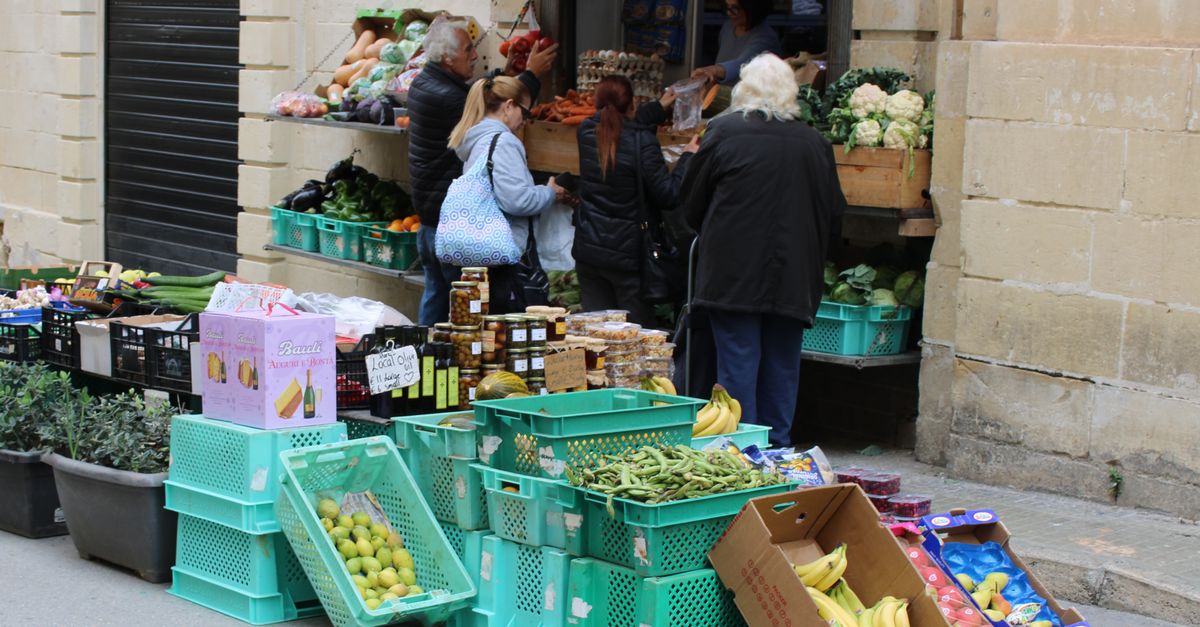
Outdoor market stalls with crates of produce and shoppers walking between them

What a Saturday at the Yeoville Market Actually Looks Like

Stalls, queues and the small rituals that hold a neighbourhood market together

Yeoville Market runs on a rhythm that has little to do with the polished food halls further north. Traders arrive before light, set up along the pavement, and negotiate space with taxi drivers, pedestrians and each other. The piece follows a single Saturday from opening to close, noting how prices shift through the morning and how regulars know exactly which stall to visit first. It also looks at what changes when the power goes out mid-morning and the card machines stop working.
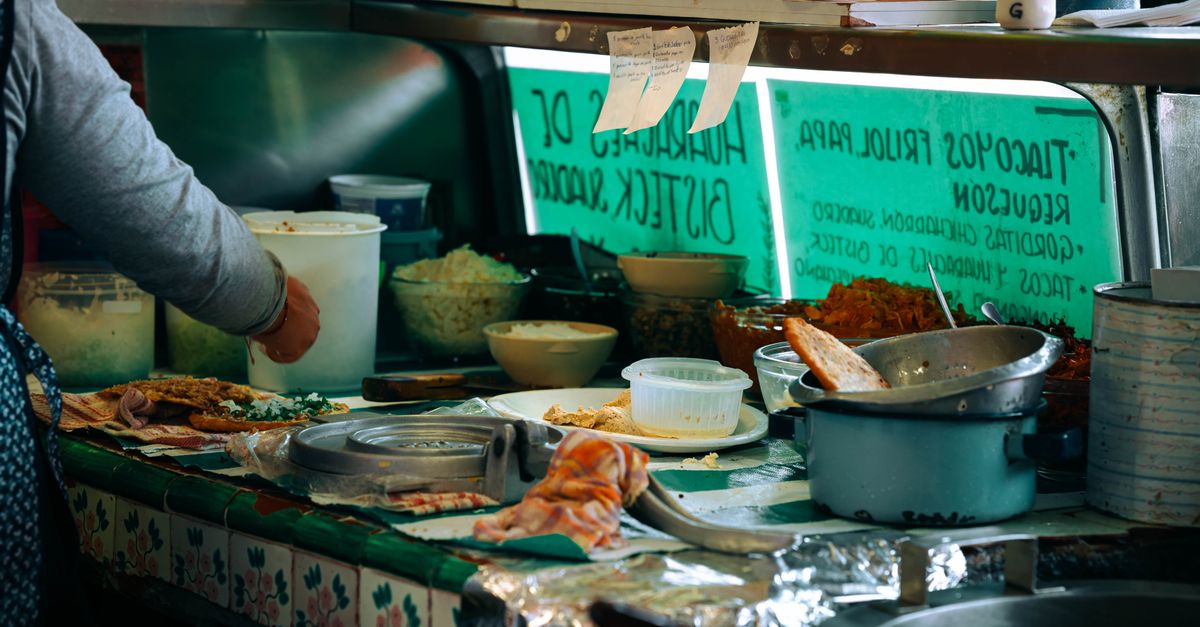

Street food counter with prepared dishes and a vendor serving customers

Taxi-Rank Street Food: A Short Guide for the Curious

Kota, bunny chow and the unwritten rules of eating at a rank

Taxi ranks are some of the busiest eating places in any South African city, and they are also some of the least documented. This guide walks through the layout of a typical rank, explains what the different stalls sell, and describes the etiquette that regulars follow without thinking about it. It covers portion sizes, cash-only habits, and the practical question of where to sit once the food is in your hands. The tone stays plain and useful rather than nostalgic.

Crates of secondhand vinyl records displayed at an outdoor stall

Secondhand Record Stalls and the People Who Keep Them Going

Vinyl, cassettes and the slow trade of a weekend stall

Secondhand record stalls occupy a strange position in city life: small, seasonal and dependent on a handful of loyal buyers. This piece visits three sellers across different parts of the city and asks how they source stock, how they price it, and what happens when a rare pressing turns up. It also considers the social side of the trade, where regulars come as much for the conversation as for the records. The result is a portrait of a small economy that runs on memory and patience.

Small table with a torch, candles and a phone charging on a kitchen counter

Load-Shedding Habits That Quietly Became Routine

How households reorganised their evenings around the schedule

Load-shedding reshaped ordinary household routines in ways that rarely get written down. This piece collects the practical habits people developed: charging phones at work, cooking earlier, keeping a torch by the door, timing laundry around the schedule. It looks at how these habits differ between flats, shared houses and family homes, and how they changed again as the schedule itself shifted. The focus stays on daily logistics rather than politics.

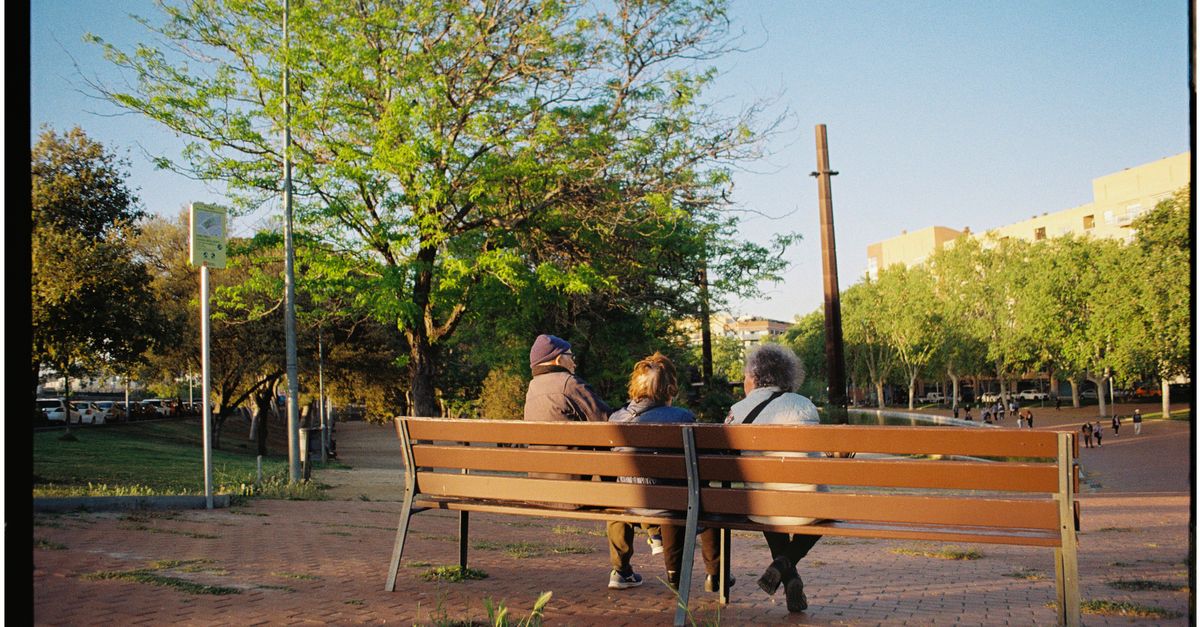
Public bench in a city park with people sitting at a distance from each other

The Quiet Politics of a Shared Public Bench

Who sits where, and why it matters more than it sounds

A bench, a low wall or a patch of shade can become a contested spot in a busy neighbourhood. This piece looks at how people claim, share and give up these small pieces of public space over the course of a day. It draws on observations from parks, taxi waiting areas and shopping-centre edges, where the rules are never written down but are understood by everyone present. The writing stays close to what can actually be seen.

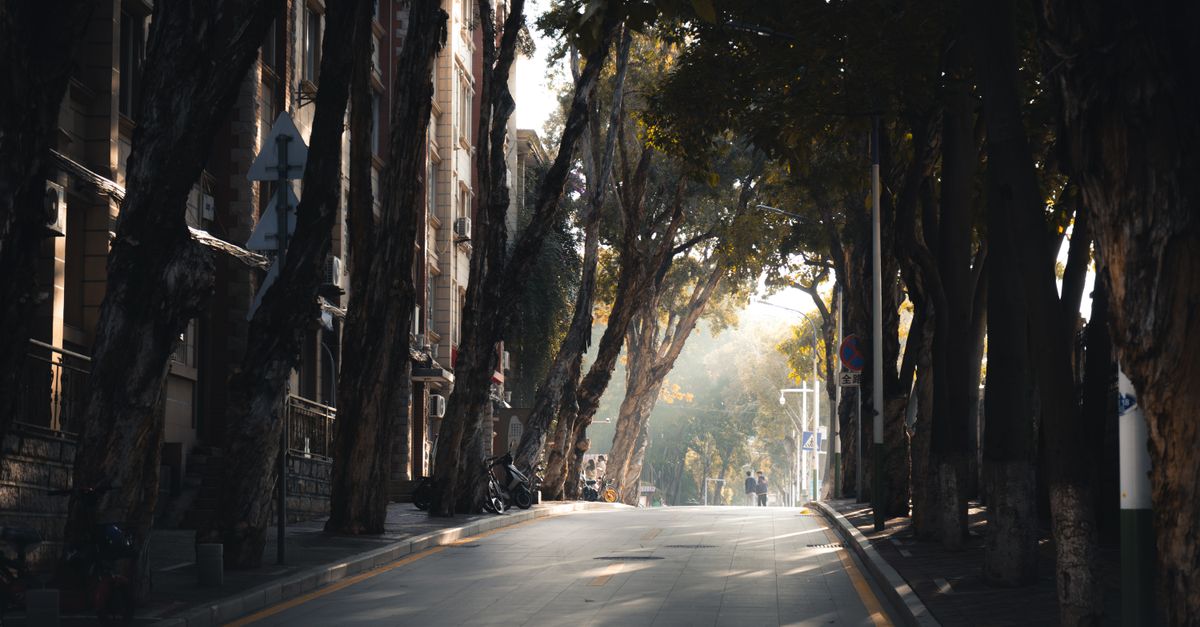
Tree-lined suburban pavement with dappled shade and a walking path

A Monthly Walking Route: From Parkview to the Zoo Lake Edge

An easy weekend walk with shade, benches and a few good stopping points

This column sets out a single walking route in plain detail: where it starts, how long it takes at an easy pace, where the shade is, and which stretches are better avoided in the middle of the day. It notes the surface underfoot, the availability of benches and water, and the points where the route can be shortened. The aim is to give readers enough information to try the walk themselves without needing a map.