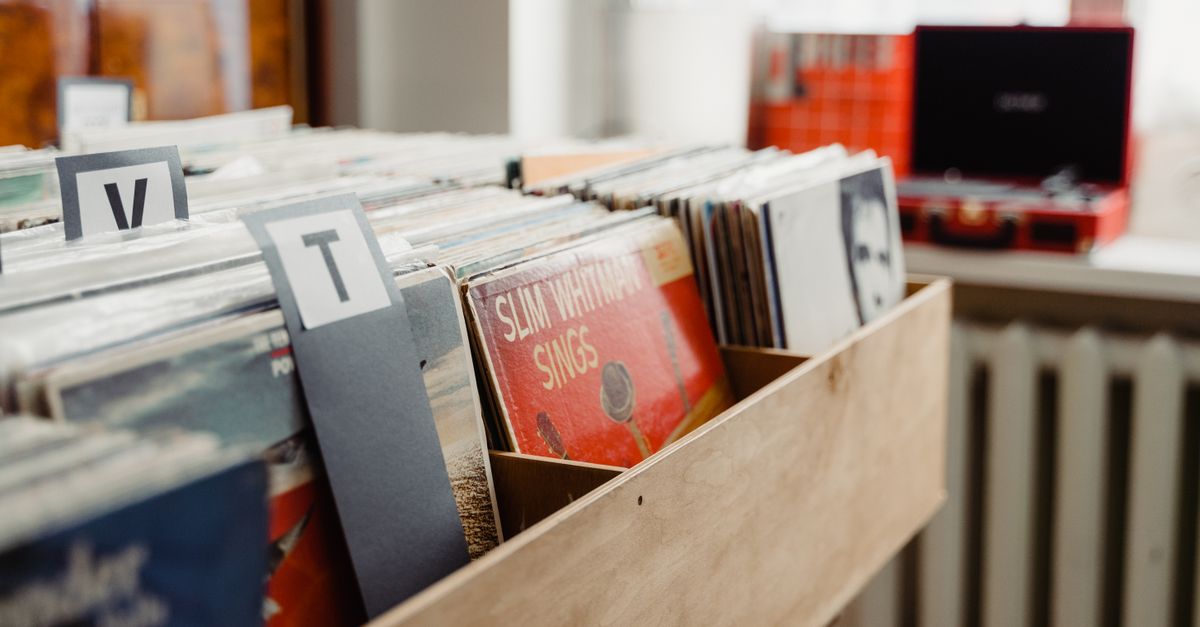
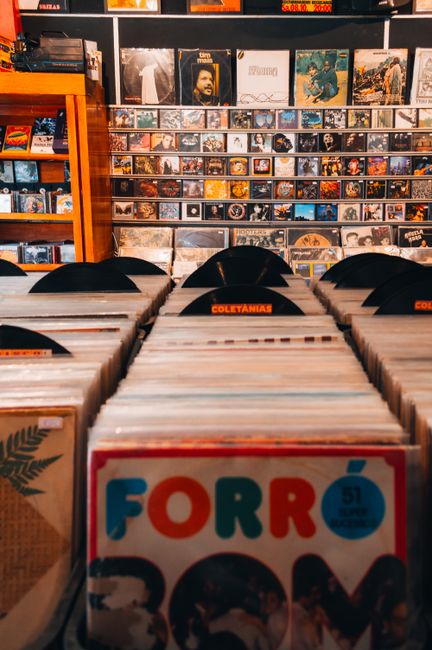
The stall goes up the same way every Saturday. Two folding tables, a stack of plastic crates, a hand-written card taped to the front that says what is inside: jazz, soul, a little kwaito, some gospel. The seller, who has been doing this for years, sorts by mood rather than genre. If you ask for something specific, he will point you to a crate and then leave you alone with it. That is the whole method.
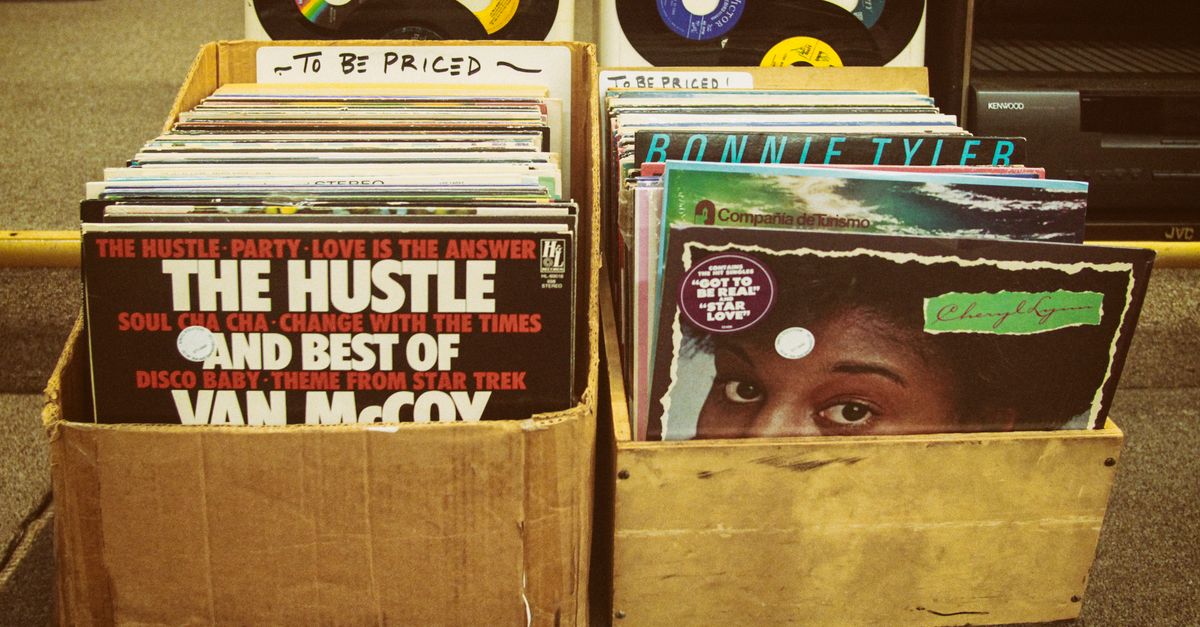
Most of the stock comes from house clearances, estate sales and the occasional box left on a pavement with a note. Nothing is graded in the way a collector's catalogue would grade it. Sleeves are worn, corners are soft, and a few records carry a name written in ballpoint on the label. Prices sit on small stickers, often in a handwriting that changes from week to week. A rare pressing does not get announced. It gets played, quietly, while the seller keeps sorting.
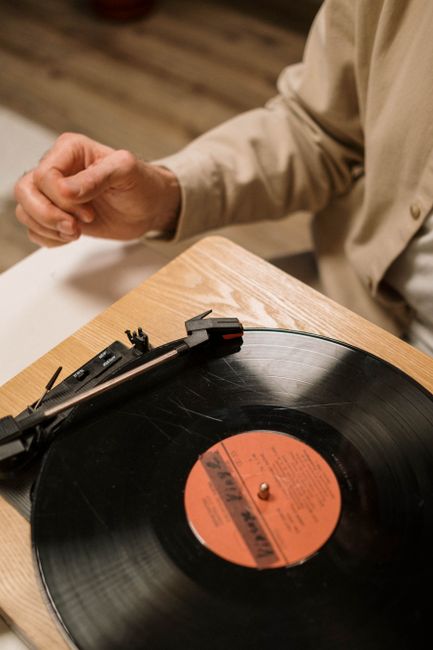
What keeps the stall alive is not the records alone. It is the regulars who arrive without a plan, flip through a crate for twenty minutes, and then stay to talk about a pressing they heard once on the radio. A stranger recommends a local jazz record. Someone else asks, again, for something that never turns up. The seller plays one side while he works, and the conversation drifts with it. You leave with a single record and the sense that the morning was the point.