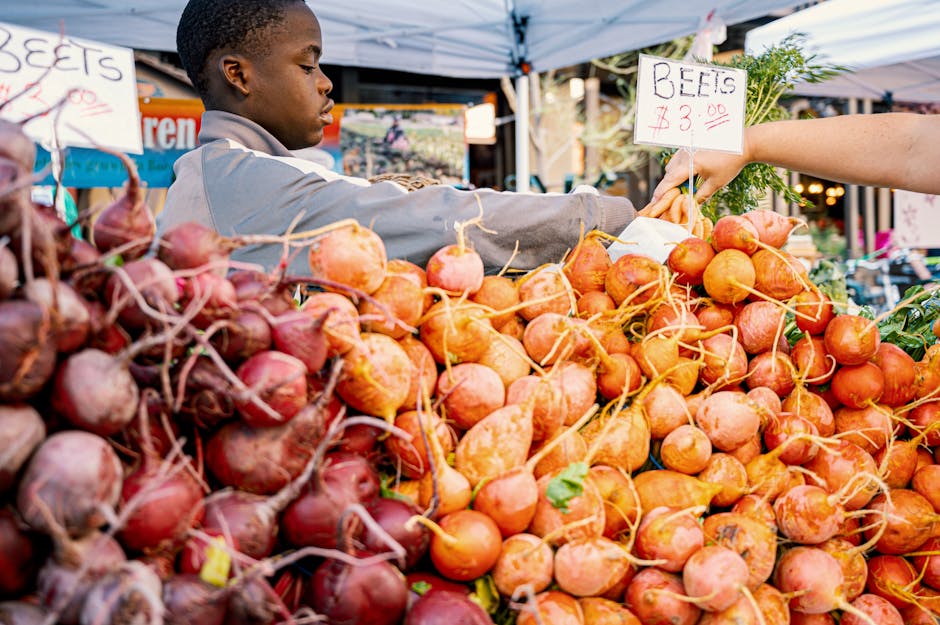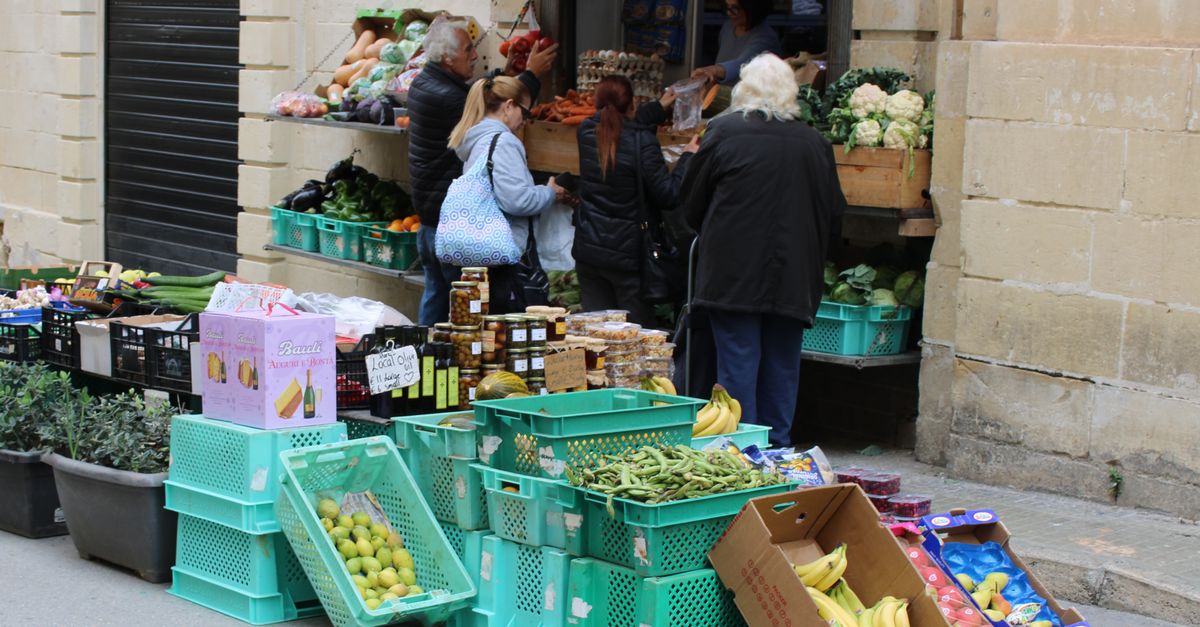
The first crates land on the pavement well before the light does. A bakkie reverses slowly between two parked taxis, someone taps the roof twice, and the tailgate drops. Onions, tomatoes, a few sacks of potatoes still dusty from the farm. Nobody announces the start of the day. It simply begins, the way it has for years, with hands moving faster than the conversation around them.
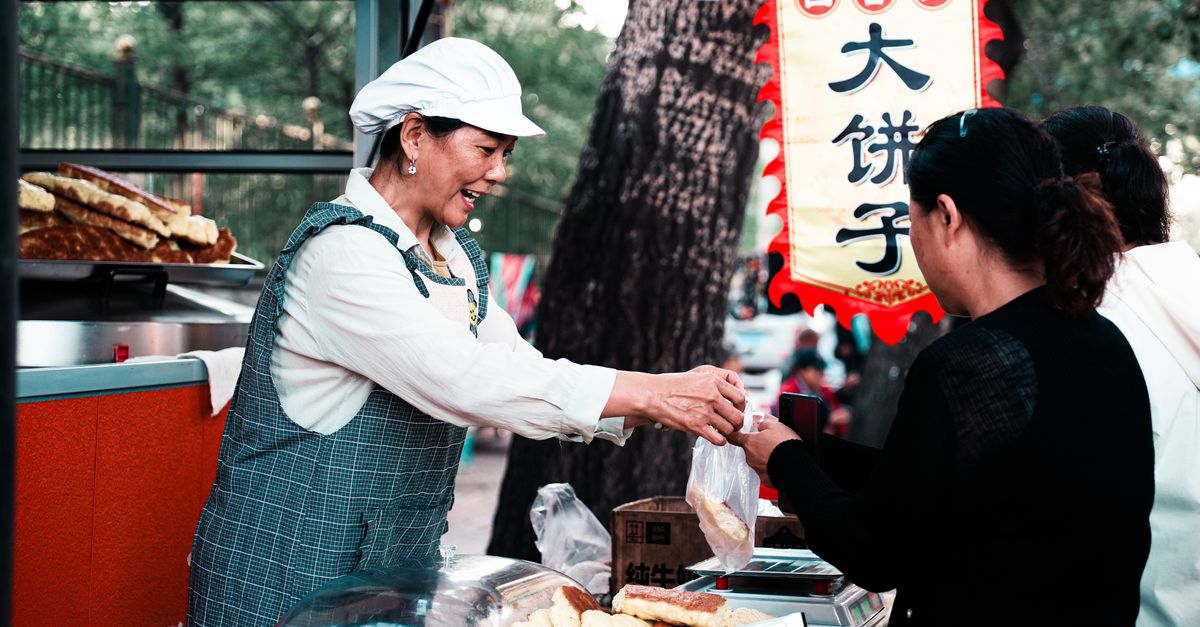
By seven the stalls have taken shape along the kerb. A woman selling fried dough sets up her gas burner next to a man who has been trading secondhand shoes from the same spot since before most of the younger vendors were born. They greet each other the way people do when they have shared a pavement for a decade: briefly, without ceremony, already busy. The smell of oil and coffee drifts down the street and pulls in the first walkers.
Regulars arrive with a route in mind. They know which stall to visit first, which vendor will hold a bag while they finish the rest of their shopping, and which queue moves fastest even when it looks longer. Prices shift through the morning. Early buyers pay a little more for the best of the produce; by ten, the same tomatoes are being weighed with a more generous hand. Change is counted without looking, folded into a pocket, handed back with a nod.
Then the power goes. The card machines go quiet mid-morning, and for a few minutes there is a small pause across the whole row of stalls. Cash comes out of pockets. Vendors shrug, laugh, and keep going. The market absorbs the interruption the way it absorbs rain, a taxi blocking the entrance, or a delivery that arrives late. It has done this before.
By early afternoon the crowd thins. Crates are stacked, cardboard is folded, and the pavement slowly returns to being just a pavement. What lingers is the sense that for a few hours the street was a shared living room, and everyone who passed through it knew the rules without ever being told.