Blog

Taxi-Rank Street Food: A Short Guide for the Curious

Kota, bunny chow and the unwritten rules of eating at a rank

Where to stand, what to order and how to read a queue at the food stalls that cluster around major taxi ranks.
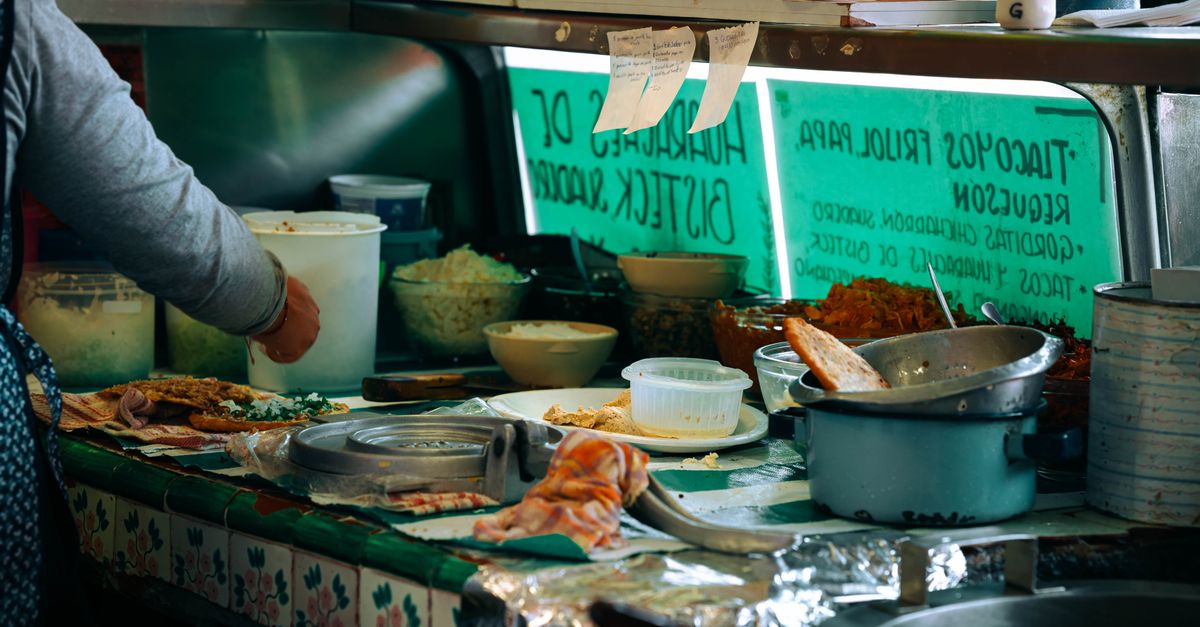
Street food counter with prepared dishes and a vendor serving customers

Taxi ranks are some of the busiest eating places in any South African city, and they are also some of the least documented. This guide walks through the layout of a typical rank, explains what the different stalls sell, and describes the etiquette that regulars follow without thinking about it. It covers portion sizes, cash-only habits, and the practical question of where to sit once the food is in your hands. The tone stays plain and useful rather than nostalgic.

A rank is not one stall but a strip of them, wedged between loading bays and the lanes where taxis pull in and out. Some sell kota — a quarter loaf hollowed out and packed with chips, egg, cheese and whatever the vendor has on the griddle. Others do bunny chow, curry spooned into a scooped-out half loaf, wrapped in paper and eaten with the hands. A few sell only grilled meat and pap, or vetkoek with mince. The stalls closest to the entrance move fastest; the ones further in tend to have shorter queues and more room to stand.

Regulars read the queue before they read the menu. If the person at the front is already holding cash, the order will move quickly. If the vendor is still plating for three people at once, you have time. Nobody announces who is next — the vendor keeps track, and stepping out of turn is the one thing that gets a quiet, pointed look. Cash is the default; card machines appear at some stalls and vanish when the power drops, so it is worth carrying notes.

Portions are generous and meant to be shared or eaten standing. There is rarely a table. You find a low wall, a bench at the edge of the rank, or the tailgate of a parked bakkie and use it as a temporary counter. Eat quickly, keep your wrapper with you until you find a bin, and give up your spot the moment you are done — someone else is already waiting for it.
Taxi-Rank Street Food: A Short Guide for the Curious

This piece on taxi-rank food started the way most of our posts do: someone stood in a queue at midday, watched how the orders moved, and wrote down what they saw. If you have a similar spot in mind, the pitch form takes the basics. Tell us your name and an email address we can write back to, pick the city the story belongs to, and say what you are sending: a story pitch, a photo essay idea, reader mail, or a walking route.

The last box is the one that matters most. Describe the place or the story in your own words, the way you would tell it to a friend at the stall. A few lines about the queue, the vendor, the bench, the noise, or the small courtesy that keeps things calm is more useful to us than a polished summary. Submissions are edited for plain English before publishing, so tick the box to confirm you are fine with that.

Where to send it

The form lives on the contact page. If you would rather write directly, our inbox is open.

Post
The Firs, 32A Cradock Avenue, Rosebank, Johannesburg, 2196, South Africa
Open the pitch form

Taxi-Rank Street Food: A Short Guide for the Curious

Three pieces that sit close to this one: a market that runs on the same early-morning logic, a weekend trade built on patience, and the full archive if you want to browse by subject.

All posts in the archive

Neighbourhood markets

What a Saturday at the Yeoville Market Actually Looks Like

Traders arrive before light, negotiate pavement space with taxi drivers, and reset their prices as the morning moves. The piece follows one Saturday from the first crates to the last pack-up, including what happens when the power drops and the card machines go quiet.

Read the market piece

Weekend trade

Secondhand Record Stalls and the People Who Keep Them Going

Three sellers, three parts of the city, one shared problem: stock that arrives slowly and buyers who come as much for the conversation as the records. A portrait of a small economy that runs on memory and patience rather than volume.

Read the record stall story

About the rank guide

Why this piece stays plain

No nostalgia, no invented history of the food. Just the layout of a rank, what each stall tends to sell, how regulars read a queue, and where to stand once the order is in your hands. If you eat at a rank often, you already know most of it.

More city-life writing

Taxi-Rank Street Food: A Short Guide for the Curious

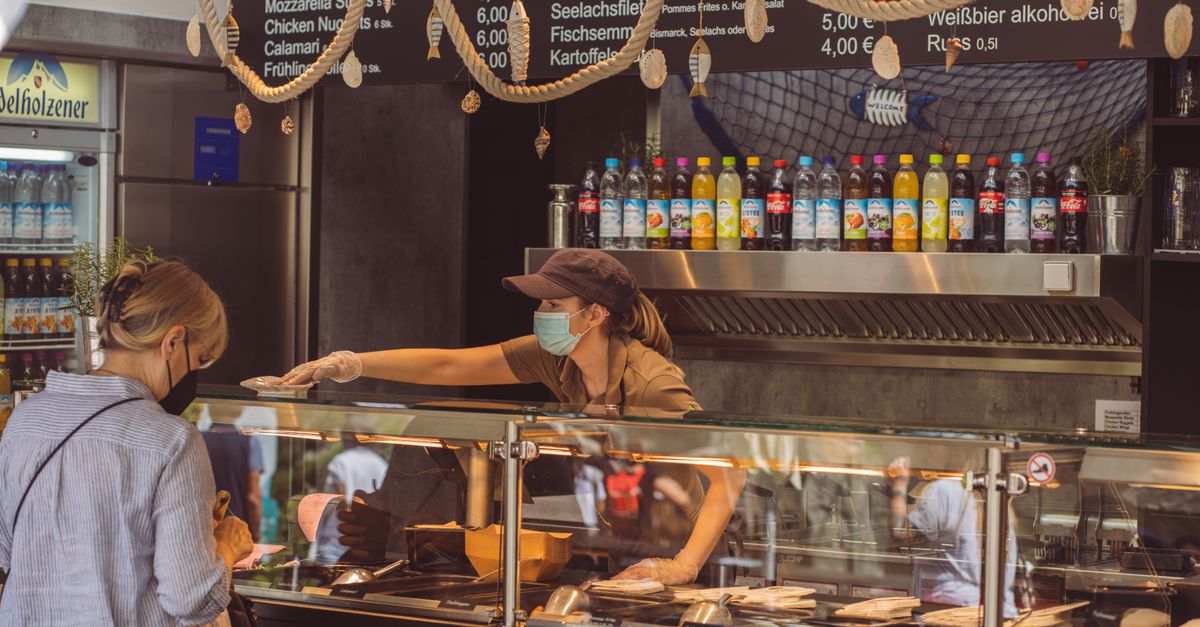
A rank is not one kitchen. It is a row of small operations, each with its own griddle, its own queue and its own way of working. The pictures below show the ordinary furniture of that trade: a counter of prepared dishes, a vendor plating as orders come in, and the standing space where most of the eating happens.

Street food counter with prepared dishes and a vendor serving customers
A serving counter at a busy food stall, with dishes laid out and orders handed across.
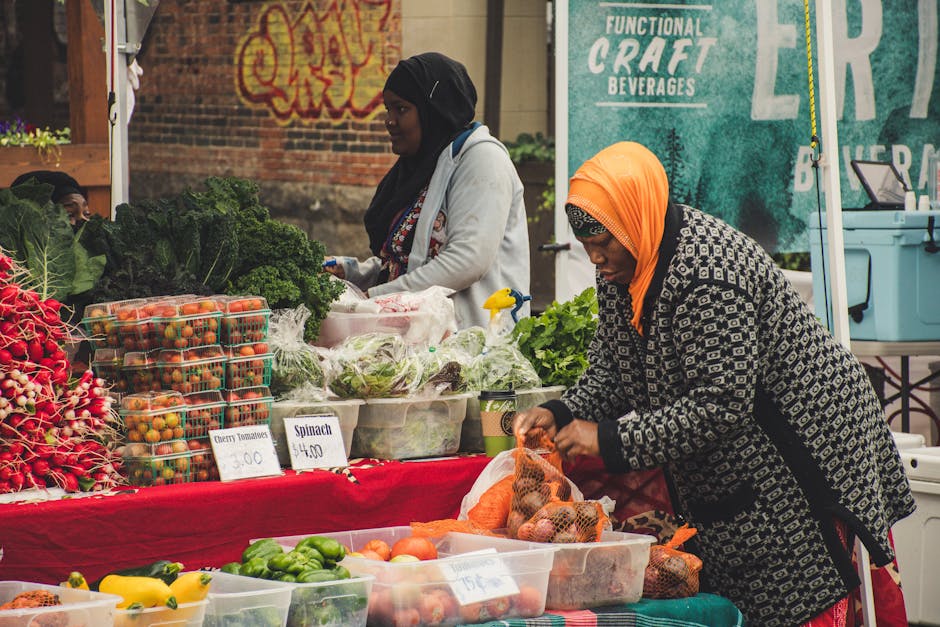
Outdoor market stalls with crates of produce and shoppers walking between them
Open-air stalls packed close together, the kind of layout that shapes how a queue forms.
Public bench in a city park with people sitting at a distance from each other
A shared bench, the closest thing to a table once the food is in your hands.
Tree-lined suburban pavement with dappled shade and a walking path
The walk between the rank and the next stop, where most meals get finished standing up.

Taxi-Rank Street Food: A Short Guide for the Curious

This piece comes from the WSF Media desk, the same small editorial operation that publishes the rest of the blog. It is written by a contributor who spends a lot of time standing at taxi ranks in Johannesburg, mostly waiting, sometimes eating, and occasionally taking notes on the back of a till slip. The byline stays with the publication rather than a single name, because the reporting here is a shared habit: someone spots a stall worth writing about, someone else checks the details, and the copy gets trimmed until it reads plainly.

WSF Media is independent and reader-supported. That shapes what gets published. There are no sponsored placements inside a guide like this one, no paid mentions of a particular stall, and no arrangement with anyone selling food at a rank. If a detail about a queue, a portion or a cash-only counter appears here, it is because a contributor watched it happen, not because someone asked for it to be included.

The blog runs on contributions from writers in Johannesburg, Cape Town and Durban, and the editing is deliberately light. Submissions are read, checked for accuracy and tidied into plain English, but the voice stays with whoever did the standing and watching. That is the whole point of a piece like this: it should sound like a person describing a place they actually go to, not like a brochure.