What This Blog Is, and What It Is Not

A few plain statements about how WSF Media works, so nobody has to guess at our intentions.

We are an independent, reader-supported blog about everyday city life in South Africa. Contributors write from Johannesburg, Cape Town and Durban. That is the whole operation. There is no news desk, no commercial arm and no sponsored content hiding behind a byline. When a piece mentions a market stall, a taxi rank or a record seller, it is because someone went there and looked, not because anyone paid for the mention.

What counts as a story here

Short, first-person pieces about ordinary things worth noticing: neighbourhood markets, street food around taxi ranks, secondhand record stalls, walking routes, household routines shaped by power schedules, and the unspoken rules of shared public space. If it happens on a street and someone can describe it honestly, it belongs.

What we do not publish

No sponsored fluff. No listicles assembled only to catch a search query. No invented statistics, no claims about awards, audience size or reach, and no promises about how quickly anything gets answered or printed. We would rather say less and mean it.

On editing

Every submission is edited for plain English before it goes up. That means trimming, reordering and cutting jargon, not rewriting someone's point of view. Contributors keep their voice; the piece just reads more clearly when it reaches a stranger.

On comments and reader mail

Comment threads stay moderated, which mostly means disagreement remains readable and personal attacks do not. Reader mail is treated as material, not as feedback to be filed away. Some of it turns into pieces of its own, with the sender's permission.

A note on pace

The stated rhythm is two to three pieces a week. That is a slow archive by design. It grows in small increments, and it is meant to be read over months rather than consumed in an afternoon. Nothing here is written to go viral, and nothing here is written to sell you something afterwards.

What the blog actually gives you

Outcomes here are editorial and personal, not commercial. A reader finishes a piece about a taxi-rank food stall and starts noticing that same corner on their own commute. Someone writes in about a secondhand record stall, sees it edited into plain English, and finds their street described with care.

Reading your own street differently

Short first-person pieces work on a slow delay. You read about a market queue on a Saturday, then a week later you notice the same stall on your route home and stop walking past it. The archive grows two to three pieces a week, so there is always something new to test against what you already see.

Pitching a story that gets edited

Contributors from Johannesburg, Cape Town and Durban send in notes about routines shaped by power schedules, shared public space and overlooked local spots. What comes back is your material in plain English, with the substance kept and the noise trimmed. Nothing is sponsored, and no piece is written only to catch a search query.

A reason to take a different turn

The monthly walking-route column gives readers one concrete route to try, with notes on shade, surface and where the walk can be cut short. Comment threads stay moderated, so disagreement stays readable instead of turning into noise. The result is a body of grounded writing you can return to.

How the work actually gets made

What readers and contributors can expect from the editing side of WSF Media, stated plainly and without a scorecard.

Outcomes on this blog are editorial, not commercial, so the useful thing to describe is the process behind each piece. Every submission that arrives through the story pitch form is read by a contributing editor, checked against what we already know about the place, and edited for plain English before it goes anywhere near publishing. If a detail cannot be verified, it gets cut or flagged rather than smoothed over. That is the whole quality standard: nothing invented, nothing padded, nothing written only to catch a search query.

A pitch is read, not filtered

A note about a taxi-rank stall or a stretch of pavement nobody writes about lands with a person, not a queue. Editors sort submissions by city and by type, so a walking route and a photo essay idea take different paths through the same small team.

Editing is disclosed up front

Contributors confirm before sending that their work will be edited for plain English. That means trimming, reordering and cutting jargon, not rewriting someone's street into something it is not. The voice stays the writer's; the sentences just get clearer.

Details get checked twice

Place names, directions and the practical bits of a route are read once for sense and once for accuracy. Where a claim cannot be confirmed from what the contributor describes, it is left out rather than dressed up as fact.

Comment threads stay moderated

Disagreement is welcome; noise is not. Threads are read and kept readable so that a conversation about shared public space stays a conversation, and so that a reader returning to an older piece finds the discussion still worth following.

No sponsored material

Nothing on the blog is paid placement, and no piece is shaped around a search query. If a subject only exists to attract traffic, it does not run. The archive grows because someone noticed something worth writing down.

A steady, unhurried rhythm

Two to three pieces a week, published when they are ready rather than in bursts. That pace keeps the editing honest and gives readers something to return to without a flood of filler between the pieces that matter.

Contributors write from Johannesburg, Cape Town and Durban, and the same checks apply to all of them. A short first-person account of a market morning and a monthly walking route go through the same reading, the same questions and the same plain-English pass. What comes out is a body of grounded writing that holds up on a second visit, which is the only outcome this page can honestly describe.

What readers and contributors take away

Outcomes here are editorial and personal rather than commercial. Nothing is measured in reach or growth figures, because those are not what this blog is for. What changes is smaller and more durable: the way you notice a corner you pass every day, and the way a story you send in comes back to you edited into plain English.

You start reading your own commute

A piece about a taxi-rank food stall tends to do one specific thing: the next morning you look twice at the same corner on your own route. The writing does not tell you what to think about it. It just puts the place back in front of you.

Your street gets described with care

Send in a note about a secondhand record stall or a market you know well, and it comes back edited for plain English before it goes up. Contributors see their own neighbourhood written about properly, by name, without the usual shorthand.

A reason to take a different turn

The monthly walking-route column exists so readers have somewhere to go on a weekend that is not a shopping centre. Each route is described in enough detail to try it yourself, with notes on shade, surface and where it can be cut short.

Disagreement stays readable

Comment threads are moderated, which means an argument about a shared bench or a queue can actually be followed. People disagree about public space all the time. The point is that the thread stays legible to whoever reads it later.

An archive that grows slowly

Two to three pieces a week, no sponsored fluff, no listicles written only to catch a search query. That pace means the archive builds steadily rather than in bursts, and older posts stay worth returning to months later.

Routines get written down

Contributors describe household habits shaped by power schedules, the etiquette of a busy rank, the trade at a weekend stall. These are things people do without calling them a strategy. Seeing them written down is often the first time they read as shared.

If you want the fuller picture of how pieces are commissioned and edited, the offerings page sets out the formats we work in, and the service list covers the columns and recurring series in more detail.

What readers take away, in pictures

The payoff of a short first-person piece is rarely dramatic. It shows up later, on a commute or a Saturday errand, when a corner you passed a hundred times finally registers. These are the kinds of moments the archive keeps returning to.

WSF Media: outcomes

A market morning, read closely

After a piece on a Saturday market, readers start noticing which stall opens first, how the queue bends around the pavement, and what changes when the card machines go down. The writing does not tell them to look. It just makes the looking easier.

WSF Media: outcomes

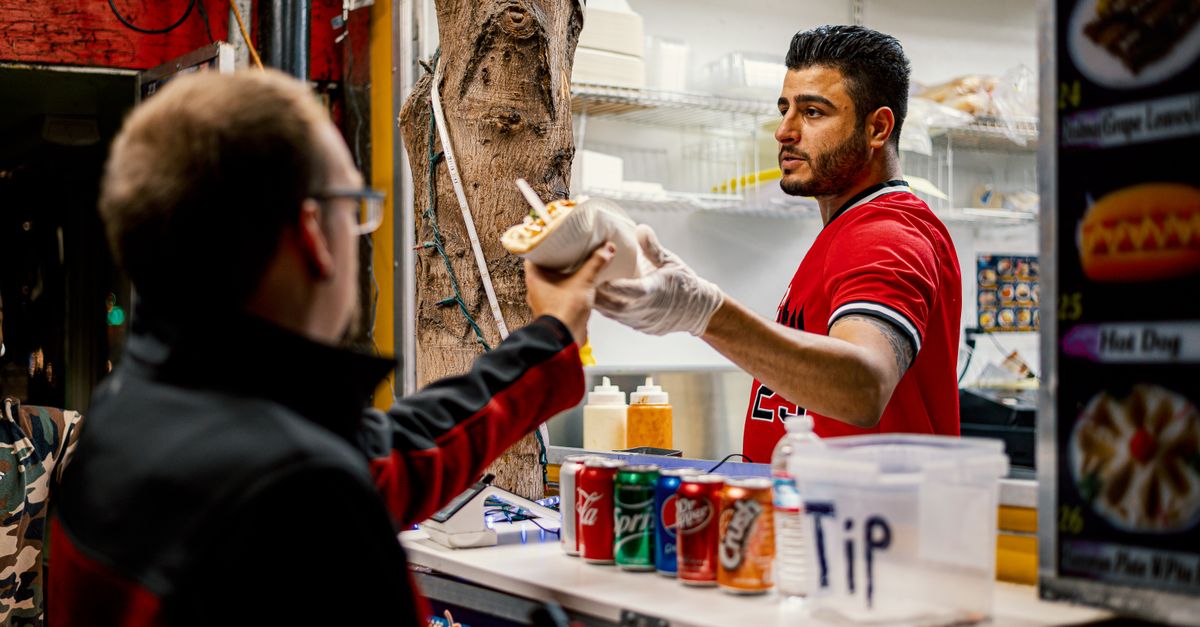
Eating where the taxis turn

A guide to rank food stalls does not send anyone anywhere. It explains where to stand, what a queue means, and why regulars keep cash ready. Readers who already pass those stalls on the way home tend to come back with their own corrections.

WSF Media: outcomes

A stall that runs on patience

Weekend record sellers trade in small numbers and long conversations. When a reader writes in about one, the piece gets edited into plain English and the stall keeps its own voice. That exchange is the outcome, more than any figure.

WSF Media: outcomes

A reason to take the other turn

The monthly walking-route column does one modest thing: it describes a single route in enough detail that someone can try it without a map. Shade, surface, benches, the stretch that gets unbearable at midday. Readers who follow it often send back a variation of their own, and those variations become the next month's starting point.

Nothing here is sponsored, and no piece is written only to catch a search query. Two to three posts a week means the archive grows slowly, which suits writing that is meant to be returned to rather than consumed once.