Why this blog exists

A notebook about ordinary city life, kept by people who live here

WSF Media is a small, reader-supported blog written by a handful of contributors in Johannesburg, Cape Town and Durban. We write about the things that pass by without a headline: a market stall opening before sunrise, a queue at a taxi rank, a crate of records on a Saturday pavement.

Attention is the whole editorial choice

Most city coverage chases the loudest story of the day. We go the other way. A bench that quietly changes hands over an afternoon, a household that rearranges its evenings around the power schedule, a walking route nobody has bothered to describe properly — these are the subjects we keep returning to. They are not minor. They are just rarely written down.

Posts stay short and first-person, because a notebook works better than a news desk for this kind of observation. Everything is edited for plain English before it goes up, so the writing stays readable rather than performative.

What we hold to

  • Independent and reader-supported. No sponsored fluff, no paid placements dressed up as reporting.
  • Written from the ground. Contributors live in the cities they describe, and the pieces come from what they actually see.
  • No listicles built for search engines. If a piece only exists to catch a query, it does not belong here.
  • Moderated comment threads. Reader mail and replies stay part of the conversation, not a free-for-all.

Where the material comes from

Some of it is our own wandering: photo essays, a monthly walking-route column, notes taken on a commute. Some of it arrives from readers who know a street better than we do. If you have a story about your neighbourhood, a spot nobody else writes about, or a route worth mapping, we would rather hear it from you than guess at it.

We publish two to three pieces a week. That is the rhythm we can hold honestly, and it leaves room for the slow pieces that need a second walk before they are worth printing.

How the notebook took shape

There is no founding date worth pinning to a wall, and no launch story with a ribbon on it. WSF Media started the way most small editorial projects do: a few people in different cities kept noticing things on their own streets and wanted somewhere to put them down. A market that rearranges itself every Saturday. A queue at a taxi rank that moves by rules nobody wrote. A record stall that opens only when the seller feels like it.

What held it together was a decision rather than a plan. Ordinary city moments in South Africa get treated as background noise, and we wanted to treat them as the subject instead. That choice still shapes everything: what gets pitched, what gets edited, and what quietly gets left out.

Attention as the first edit

Before anything is written, someone has to decide the thing is worth looking at twice. Most of our pieces begin with a contributor standing somewhere longer than they meant to.

First person, plain English

Posts stay short and stay in the writer's own voice. Editing is about clarity, not polish. If a sentence needs a second read to make sense, it gets rewritten.

Reader-supported, plainly

No sponsored fluff, no listicles built only to catch search traffic. The blog runs on readers who pitch, write in and keep the comment threads worth reading.

The contributors are spread across Johannesburg, Cape Town and Durban, which means the same subject looks different depending on who is holding the notebook. A shared bench, a walking route, a household routine built around the power schedule: none of these read the same in three cities, and that difference is the point. If you have a story about your street, your commute or a spot nobody else writes about, it belongs here.

What the notebook keeps looking at

The subjects below are the ones contributors return to most often. They are ordinary, easy to walk past, and usually only documented when something goes wrong.
WSF Media: story

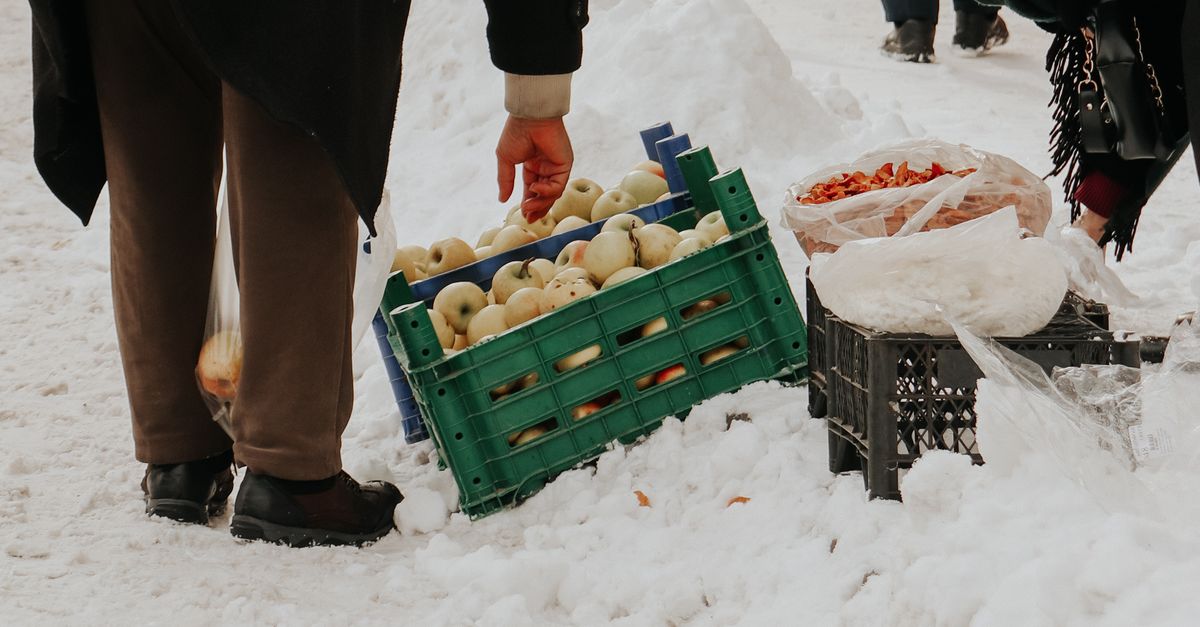
Market mornings

Crates unloaded before light, prices that shift by mid-morning, and the regulars who know which stall to visit first.

WSF Media: story

Food near the rank

Where the queues form, what gets sold from a single table, and the cash-only habits that regulars never think to explain.
WSF Media: story

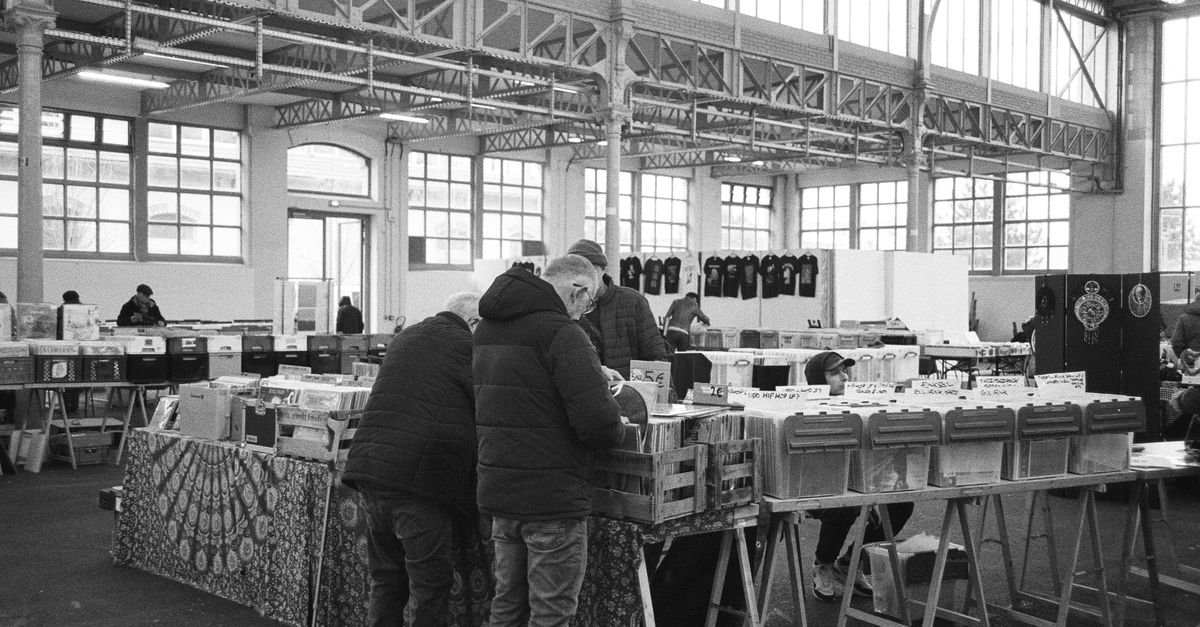
Weekend record stalls

Small, seasonal tables of vinyl and cassettes, kept alive by collectors who come as much for the conversation as the stock.

WSF Media: story

Evenings around the schedule

Charging routines, earlier cooking times, a torch kept by the door. Habits that became normal without anyone naming them.

WSF Media: story

Shared public seating

A bench or a patch of shade becomes negotiated territory over a day. The rules are never written down, but everyone follows them.
WSF Media: story

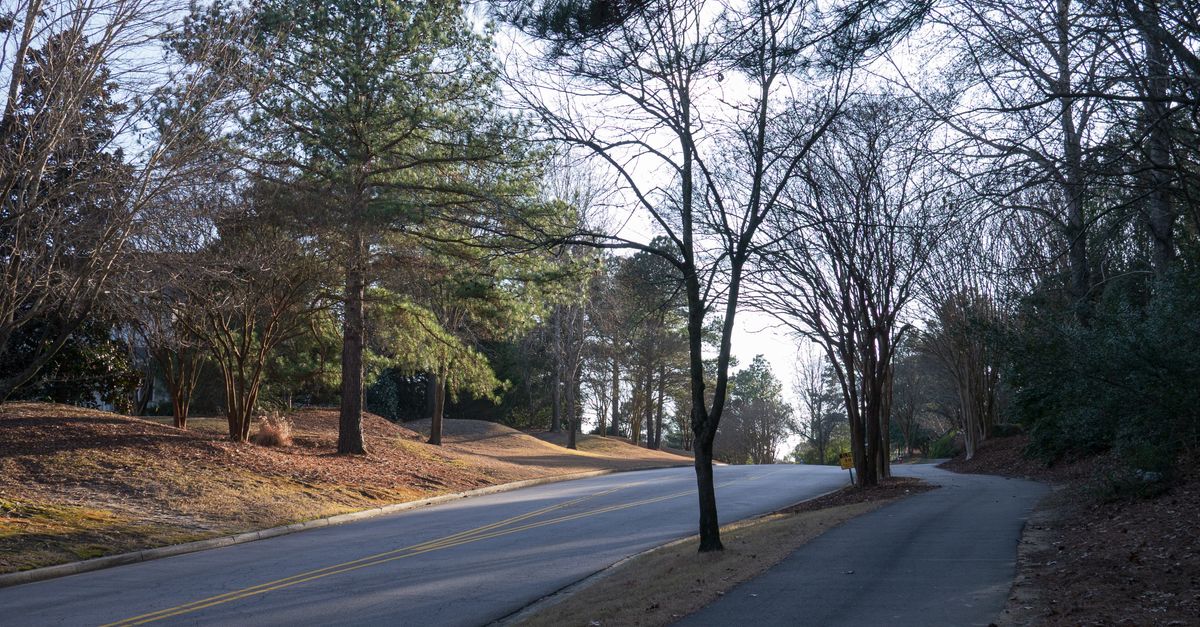
Routes worth walking

Shade, benches, surface underfoot and the stretches better left for early morning. Enough detail to try the walk without a map.

None of these are grand subjects. They are the parts of a city that get noticed in passing and rarely written down, which is exactly why they end up here. If a spot on your street or along your commute fits, you can send it through the contact page.

Why we keep a notebook instead of a news desk

WSF Media started as a small, reader-supported blog about ordinary city life in South Africa. A handful of contributors in Johannesburg, Cape Town and Durban write about the things that rarely make headlines: a market that opens before sunrise, a queue at a taxi-rank food stall, a record seller who has kept the same weekend spot for years.

The guiding idea has not changed. Ordinary things are worth noticing, and they are worth writing down properly. That means short, first-person pieces edited for plain English, with photo essays, reader mail and a monthly walking-route column sitting alongside the rest. No sponsored fluff. No listicles written only to catch a search query.

We are independent and reader-supported, which keeps the editorial choices simple: publish what a contributor actually saw, and leave the rest out. If you have a story about your street, your commute or a spot nobody else writes about, we would rather hear it from you than guess at it.

What we pay attention to

  • Neighbourhood markets Traders, prices and the small rituals that hold a market day together.
  • Taxi-rank street food Where to stand, what to order and how a queue actually moves.
  • Secondhand record stalls Weekend sellers, loyal collectors and a trade that runs on patience.
  • Walking routes and power-schedule routines The household logistics and quiet habits that shape an ordinary week.
  • Shared public space Who sits where, and how small pieces of a city get negotiated.